 SkyFlux
Sky news
What is happening in the sky and when to look: meteor showers, planets, the Moon, aurora, eclipses and space missions — where to look and why.
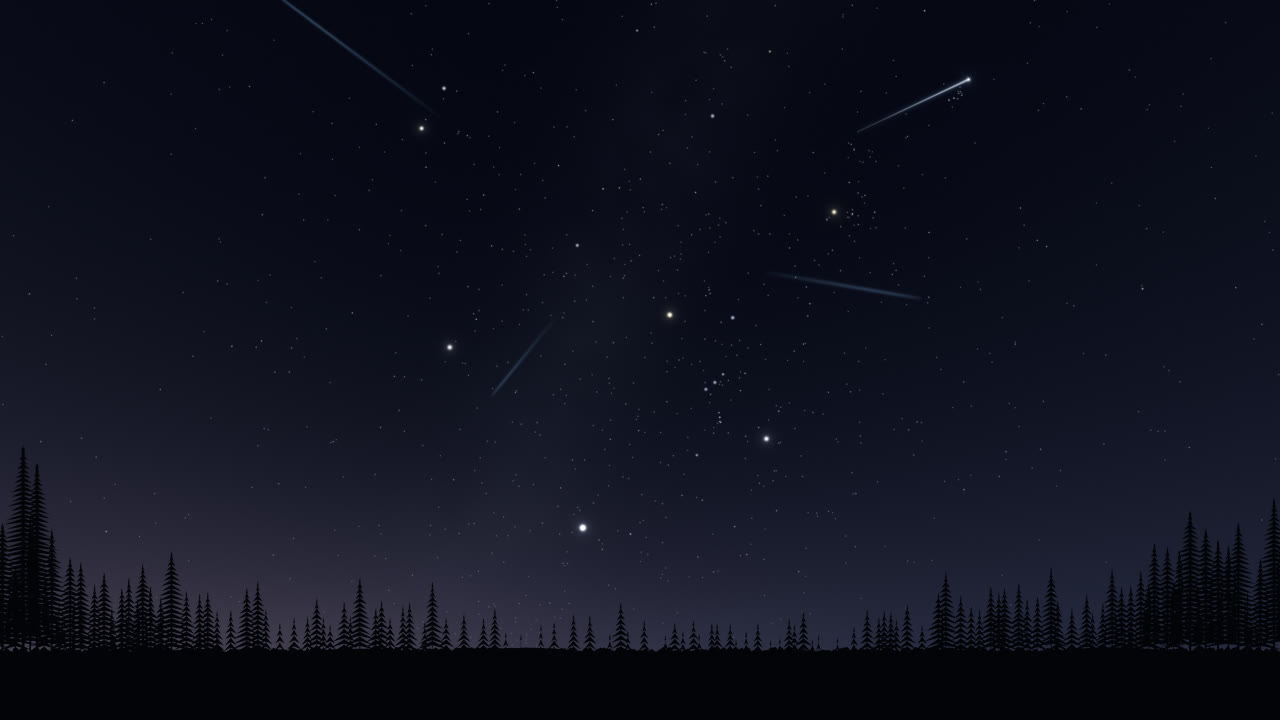
The Orionids, dust from Halley’s Comet, peak on the night of 21–22 October — best in the dark hours before dawn
Every October Earth runs through a stream of dust shed by Halley’s Comet, and the grains strike the upper atmosphere at 66 kilometres a second — among the fastest of any major shower. The 2026 maximum falls on 21 October, at about 18:30 UTC, and the best night is 21–22 October. This year a bright Moon, about 80 per cent lit, sits in the sky until well after midnight, so the useful hours are the ones after it sets and before dawn begins — SkyFlux gives both times for where you are. Below: when and where to look, why the meteors are so fast and the dust so old, why Earth meets it at all, and how Jupiter now and then gathers it into an outburst. It ends with an honest number: about 9 to 15 meteors an hour under a dark country sky, and fewer near town.
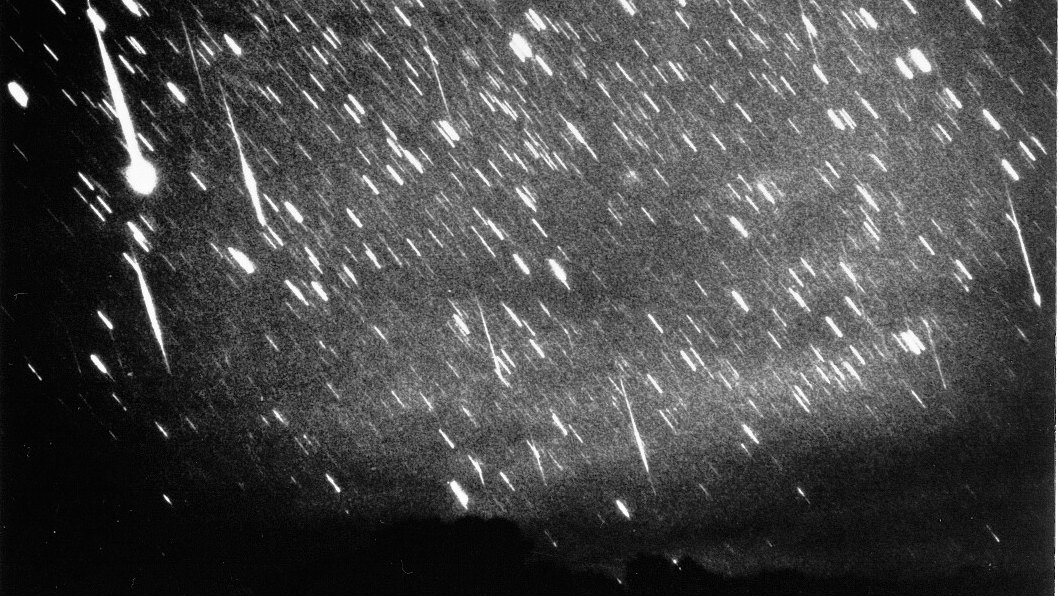
The Leonids peak on the night of 17–18 November — a quiet year from the shower that once fell like snow
Just before midnight UTC on the night of 17–18 November 2026, Earth passes through the dust of comet 55P/Tempel–Tuttle and the Leonids reach their maximum. This year they will be modest — a ZHR of about 15 (the zenithal hourly rate, a count for ideal skies, explained below), and the 2026 trail model finds no dust trail that would raise the rate noticeably. But the conditions are good: the half-lit Moon sets before midnight in the north and an hour or two after it in the south, and the radiant, the point the meteors seem to fly out of, stands high in the last dark hours before dawn. And the Leonids are not an ordinary shower. They are the fastest of the major showers, they hit Earth almost head-on, and on one night in 1833 they turned meteors from weather into astronomy. This piece covers when and where to look, why the meteors are so fast, the storms of 1833, 1966 and 1999 — and what the models say about the next one.